
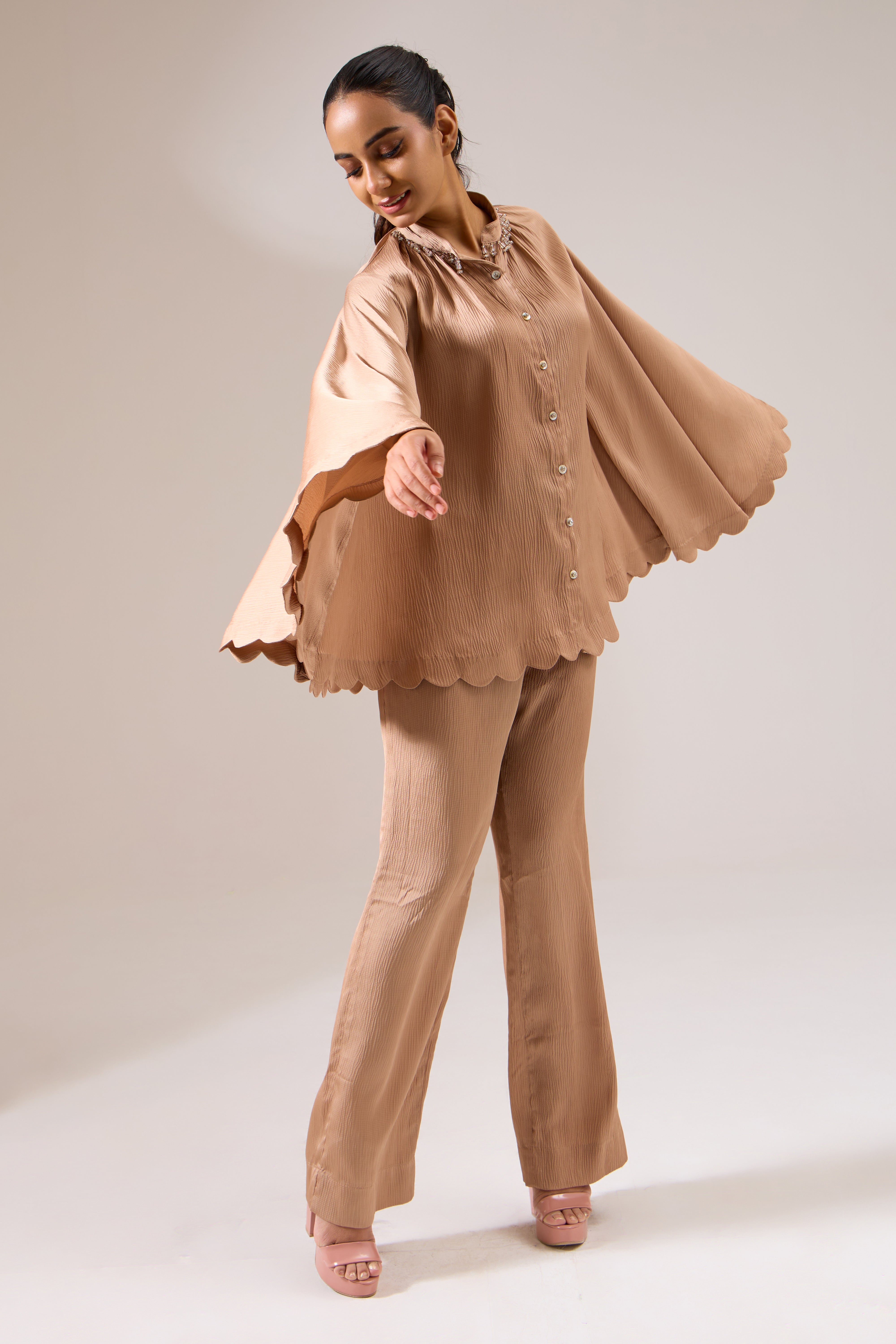
In 2027, Indian women have more clothing choices than ever — and more reasons to think carefully about which direction they choose. The handmade vs fast fashion debate is not just about aesthetics or ethics: it is a practical question about what actually gives you better value, better quality, and a wardrobe that works harder for you. This guide breaks it down honestly.
What Is the Difference Between Handmade and Fast Fashion?
Handmade clothing is produced by skilled artisans, one piece or small batch at a time, using deliberate construction methods that prioritise quality and durability. Fast fashion is mass-produced in factories using automated processes designed for maximum output at minimum cost. The difference is not just philosophical — it shows up in how the garment feels, fits, and lasts. Handmade pieces have inherent character; fast fashion pieces are interchangeable.
How Do Handmade and Fast Fashion Compare on Quality?
Quality is where the handmade vs fast fashion gap is most visible and most consequential. Handmade garments are typically stitched with stronger seams, finished by hand, and constructed to withstand regular wear. Fast fashion garments often use cheaper thread, thinner fabric, and faster stitching techniques that prioritise speed over durability. The quality difference is usually apparent within the first few washes.
| Quality Factor | Handmade Clothing | Fast Fashion |
|---|---|---|
| Fabric quality | Natural fibres, chosen for durability and comfort | Often synthetic blends chosen for cost |
| Stitching | Hand-finished seams, strong construction | Machine-stitched at speed, prone to unravelling |
| Fit and form | Considered fit, often adjustable | Generic sizing, fit often inconsistent |
| Wash durability | Holds shape and colour over 50+ washes | Fades and shrinks after 5-10 washes |
| Lifespan | 3-5+ years with normal care | Often unwearable within 6-12 months |
| Resale value | Holds some value, especially for artisanal brands | Essentially zero — no second-hand market |
Which Is More Affordable — Handmade or Fast Fashion in India?
The honest answer is that handmade clothing is more affordable in the long run, but fast fashion is cheaper upfront. A fast fashion top at Rs 399 looks like a bargain until it falls apart after six months. If you replace it twice a year, you spend Rs 798 annually on that item. A handmade top at Rs 2,500 worn for three years costs Rs 833 per year — and you spend less overall while owning something of far better quality. The trap of fast fashion pricing is that it disguises true cost.
For Indian women on a genuine budget, the right strategy is fewer handmade pieces rather than more fast fashion pieces. Prioritise the items you wear most frequently — shirts, tops, everyday separates — and invest in handmade quality for those. Reserve fast fashion budgets for trend-led pieces you know you will not wear long-term.
How Long Do Handmade Clothes Last Compared to Fast Fashion?
Handmade clothes, properly cared for, typically last three to five years of regular wear — often considerably longer. Fast fashion garments are designed with an implicit lifespan of one season: they are made to look attractive on the rack and in an Instagram photo, not to withstand 100 washes and two years of regular use. Fabric pilling, colour fading, seam separation, and shape distortion are routine fast fashion problems that rarely affect well-made handmade garments.
The practical implication is that a handmade wardrobe of 20 pieces can outlast and outperform a fast fashion wardrobe of 60 pieces bought over the same period. Indian women who have made this switch consistently report that they feel better dressed, spend less time shopping, and experience less wardrobe fatigue — the feeling of having nothing to wear despite a full cupboard.
What Is the Environmental Impact of Fast Fashion vs Handmade Clothing in India?
Fashion is responsible for approximately 10% of global carbon emissions and is the second-largest consumer of water globally — and fast fashion is disproportionately responsible for both. The fast fashion model requires constant overproduction: brands produce far more than they sell, and the excess is often landfilled or incinerated. In India, the textile and garment industry is one of the largest polluters of freshwater bodies, primarily through chemical dyeing processes used in mass manufacturing.
Handmade clothing in India typically involves smaller production runs — which means less overproduction and waste — and often uses natural dyes and traditional production methods with lower chemical inputs. When you buy from a handmade Indian brand, you are also typically supporting employment for skilled artisans rather than factory workers in exploitative conditions. The environmental case for handmade over fast fashion in India is strong.
Which Indian Brands Make Genuine Handmade Clothing?
Genuine handmade clothing in India comes from brands that are transparent about their production process — they can tell you who made the garment, how, and where. Here are the brands most worth knowing in 2027.
Haus of Handmade is one of the most accessible genuine handmade brands in India, with a full range of handcrafted capes, co-ord sets, and linen shirts priced from Rs 1,500 to Rs 8,000. Every piece is made by hand in India in limited quantities. Other strong options include Pero by Aneeth Arora (artisanal, limited production), 11.11 / eleven eleven (handspun khadi with natural dyes), and Anavila (handwoven linen). These brands can all substantiate their handmade claims — which is the first thing you should ask any brand marketing itself as handmade.
How Do You Spot Genuine Handmade Clothing When Shopping Online?
Spotting genuine handmade clothing online requires a few specific checks. First, look for limited production language — genuine handmade brands work in small batches and their descriptions reflect this (phrases like "limited pieces" or "made to order" are good signs). Second, look for specific artisan information — a brand that can tell you about its makers and their craft is far more credible than one using "handmade" as a vague descriptor. Third, examine the price: genuinely handmade clothing in India cannot be produced profitably at Rs 299. If a brand claims handmade at fast fashion prices, it is not handmade.
Also look at product photography: genuine handmade pieces often show slight natural variation between pieces — a small mark in the fabric, slight colour variation in natural dye — which is a sign of authentic handcraft rather than machine consistency. Fast fashion product photography shows identical, perfectly identical items; handmade photography sometimes shows the natural irregularity that is a mark of quality, not a flaw.
Frequently Asked Questions
Is handmade clothing always better than fast fashion?
For everyday pieces you wear frequently — shirts, co-ord sets, tops — handmade is almost always better in quality, longevity, and value. For trend-led pieces you plan to wear only a few times, fast fashion may make practical sense. The key is being intentional about which category each purchase falls into.
Why is handmade clothing more expensive than fast fashion?
Because it costs more to produce. Skilled artisan time, quality fabrics, small-batch production, and hand-finishing all add to the cost in ways that factory mass-production cannot. The higher price reflects genuine production cost, not inflated markup.
Can handmade clothing be stylish and contemporary?
Yes — some of India's most design-forward clothing is handmade. Haus of Handmade, Pero, and Anavila all produce handmade pieces that are as contemporary and design-considered as anything from a mass-market brand, often more so.
How should I care for handmade clothing to make it last longer?
Wash in cold water on a gentle cycle or by hand. Avoid tumble drying — hang or lay flat to dry. Store folded rather than hanging for knits and linen. Iron on low heat. Most handmade Indian clothing in natural fibres becomes softer and better with washing rather than worse.
Where can I buy genuine handmade clothing online in India?
The safest approach is to buy directly from the brand's own website. Haus of Handmade (hausofhandmade.com), Pero, Anavila, and 11.11 all sell direct. Marketplaces like Jaypore also curate genuine handmade Indian labels. Avoid generic marketplaces where handmade claims are unverifiable.